 blog
How to Choose Low Glycemic Index Snacks for Diabetics
Last Updated: November 22, 2026
Quick Summary
Choose low glycemic index snacks for diabetics by pairing a low-GI carbohydrate with protein, fiber, or healthy fats, and by checking portion size, since glycemic load factors in how much you eat. Nuts, seeds, plain Greek yogurt, cottage cheese, berries, and vegetables with hummus are strong options.
- The glycemic index ranks foods 55 or below as low, 56 to 69 as medium, and 70 or above as high.
- A glycemic load of 10 or below is generally considered low, and 20 or above is high.
- A 28-gram portion of almonds has a GI near 15 and a glycemic load near 1.
- Look for at least 3 grams of fiber and ideally 5 grams or more of protein per serving.
- Sugar-free labels do not mean low carb, so check total carbohydrates rather than just the sugar line.
Table of Contents
- Why Glycemic Index and Glycemic Load Both Matter for Snacking
- Low Glycemic Snacks for Diabetics: GI Values and Serving Sizes Compared
- Low Carb Snacks for Diabetics Type 2: What to Keep in the Kitchen
- Type 2 Diabetes Snacks to Buy: Reading Labels Before You Check Out
- Snacks for Diabetics Type 1: Pairing Carbs With Protein and Fiber
- Late-Night Snacks for Diabetics That Won't Spike Blood Sugar
- How to Build a Weekly Snack Plan in MealPrepGenius
- Frequently Asked Questions
Why Glycemic Index and Glycemic Load Both Matter for Snacking
A snack that scores low on the glycemic index can still push blood sugar higher than expected if you eat enough of it. That explains why so many people who choose low glycemic index snacks for diabetics still see spikes. Glycemic index tells you how fast a carbohydrate raises blood sugar; glycemic load tells you how much, because it factors in portion size. Glycemic index and glycemic load each tell you something different, and the index alone can hide the quantity problem.
Reading GI Values Alongside Total Carbohydrates
The glycemic index ranks carbohydrate foods on a scale where 55 or below is low, 56 to 69 is medium, and 70 or above is high, according to the glycemic index and glycemic load guidance from the University of Sydney. But that ranking assumes a fixed portion of available carbohydrate, often 50 grams.
A balanced snack pairs a low-GI carbohydrate with protein, fiber, or healthy fats. The pairing slows digestion and flattens the blood sugar curve. Skip the pairing and even a low-index food can spike glucose when eaten alone on an empty stomach.
Low Glycemic Snacks for Diabetics: GI Values and Serving Sizes Compared
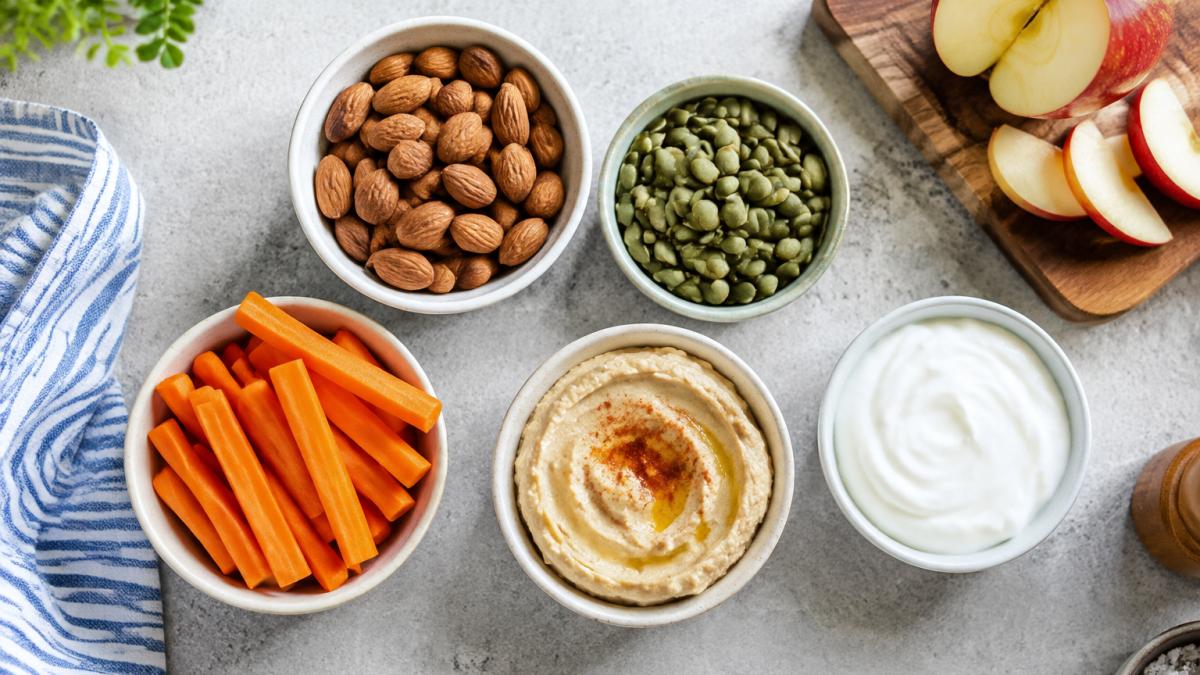
The best low glycemic index snacks for diabetics combine a low GI score with a sensible portion and a protein or fat partner.
| Snack | Serving | Typical GI | Approx. GL | Carbs | Fiber | Protein |
|---|---|---|---|---|---|---|
| Almonds | 28 g | Low (~15) | ~1 | ~6 g | ~3 g | ~6 g |
| Walnuts | 28 g | Low (~15) | ~1 | ~4 g | ~2 g | ~4 g |
| Pumpkin seeds | 28 g | Low (~15) | ~1 | ~5 g | ~2 g | ~7 g |
| Chia seeds | 2 tbsp (24 g) | Low (~1) | ~1 | ~12 g | ~10 g | ~4 g |
| Plain Greek yogurt | 170 g | Low (~11) | ~4 | ~6 g | 0 g | ~17 g |
| Cottage cheese | 113 g | Low (~10) | ~2 | ~4 g | 0 g | ~12 g |
| Apple with peanut butter | 1 small apple + 1 tbsp | Low (~36) | ~5 | ~20 g | ~4 g | ~7 g |
| Berries (mixed) | 1 cup | Low (~25) | ~4 | ~14 g | ~4 g | ~1 g |
| Carrots with hummus | 1 cup veg + 2 tbsp | Low (~25) | ~3 | ~12 g | ~4 g | ~5 g |
| Roasted edamame | 28 g | Low (~20) | ~2 | ~9 g | ~3 g | ~12 g |
| Whole-grain crackers | 4 crackers (~30 g) | Medium (~55) | ~8 | ~15 g | ~2 g | ~3 g |
| Hard-boiled egg | 1 large | 0 (no carb) | 0 | ~1 g | 0 g | ~6 g |
Carbs
How to Read GI, GL, and Total Carbs Together
GI ranks carbohydrate foods on a scale where 55 or below is low, 56 to 69 is medium, and 70 or above is high, according to the glycemic index and glycemic load guidance from the University of Sydney.
That is why the same food can behave differently depending on how much lands on your plate.
A balanced snack pairs a low-GI carbohydrate with protein, fiber, or healthy fats. The pairing slows digestion and flattens the blood sugar curve.
Nuts, Seeds, and Nut Butters
Nuts and seeds are the easiest win for most people. Almonds, walnuts, pumpkin seeds, and chia seeds carry low GI scores and deliver healthy fats, fiber, and protein in a small handful. A 28-gram portion of almonds lands around 15 on the GI scale with a GL near 1.
Nut butters work well when unsalted and free of added sugar. Read the label, because many brands blend in sugar and palm oil, a common mistake is choosing a "natural" jar that still lists cane sugar second.
Fresh Fruit, Berries, and Pairings
Fresh fruit belongs in a diabetes snack plan, but type and pairing matter. Berries, apples, pears, and cherries sit lower on the GI scale, while watermelon and ripe bananas run higher. Pairing fruit with peanut butter, cheese, or Greek yogurt slows the sugar release; a small apple with a tablespoon of peanut butter lands around GL 5, a very different experience from eating the apple alone.
Vegetables, Hummus, and Greek Yogurt
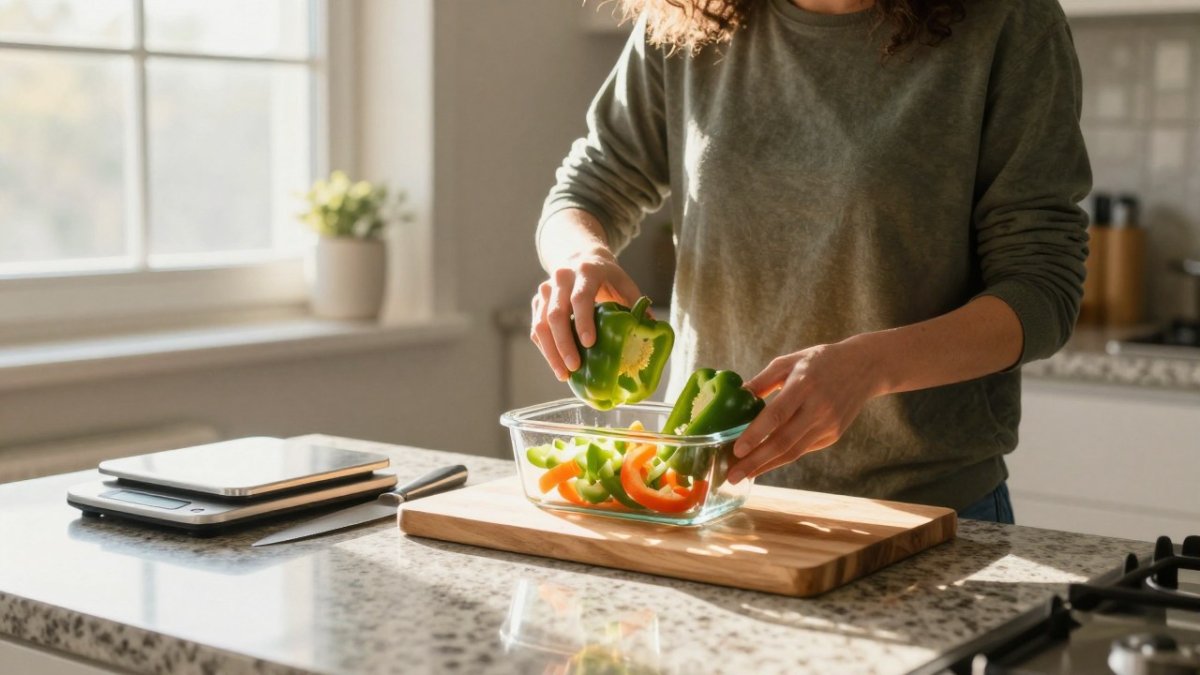
Vegetables with hummus cover the savory, crunchy craving without a big carb load. Carrots, cucumber, bell peppers, and celery pair well with chickpea-based hummus, which adds fiber and protein.
Watch out: "low GI" on a package does not guarantee a low glycemic load. Check the serving size and total carbohydrate, because a large portion of a low-GI food can carry a GL that rivals a smaller portion of a higher-GI one.
Low Carb Snacks for Diabetics Type 2: What to Keep in the Kitchen
For low carb snacks for diabetics type 2, stock the kitchen so the right choice is the easy choice.
Build a snack shelf around these staples:
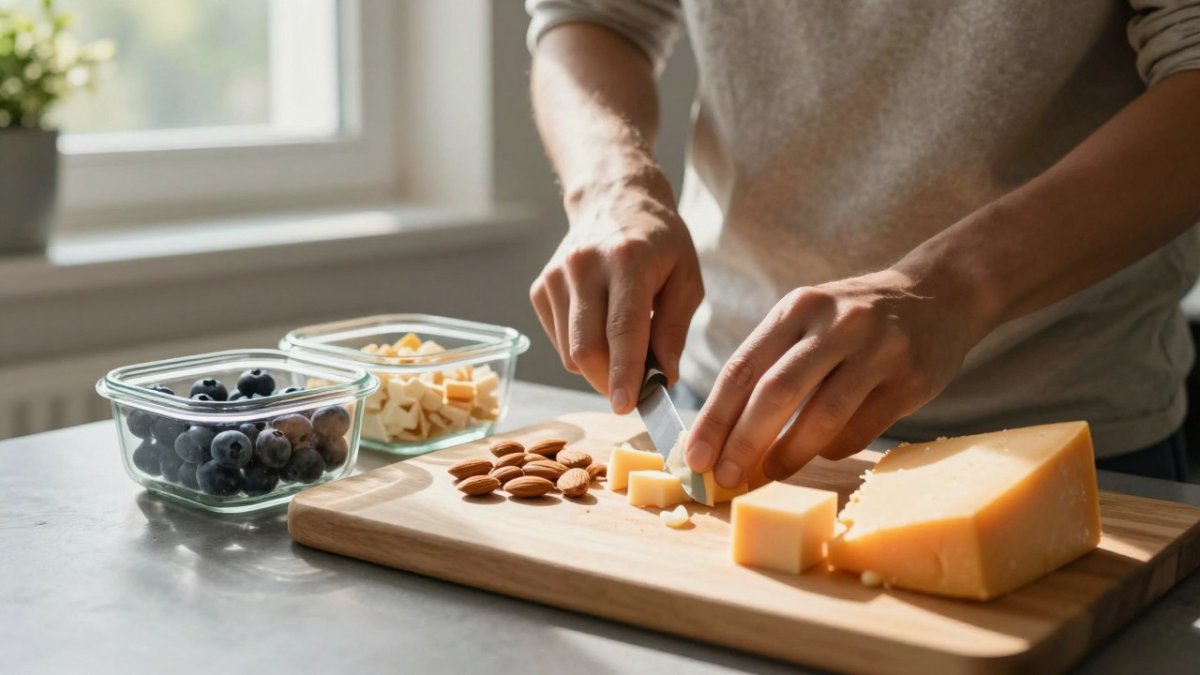
- Unsalted almonds, walnuts, and pumpkin seeds in small containers
- Plain Greek yogurt and cottage cheese
- Hard-boiled eggs, pre-peeled and ready
- Carrot and cucumber sticks with single-serve hummus
- Roasted edamame
- Cheese cubes or string cheese
- Avocado, sliced and portioned
MealPrepGenius users track pantry stock alongside their grocery list, which cuts duplicate purchases and last-minute takeout runs. Before a shopping trip, check what is already on hand in your pantry so the list reflects real gaps.
Watch out: "sugar-free" labels do not mean low carb. Sugar-free cookies and candies often carry sugar alcohols and refined starch that still affect blood glucose. Check total carbohydrates, not just the sugar line.
Type 2 Diabetes Snacks to Buy: Reading Labels Before You Check Out
Type 2 diabetes snacks to buy should pass a quick label test before they reach the cart. The front of the package markets health; the nutrition panel tells the truth. Read total carbohydrates first, then fiber, then added sugar, then protein.
Run this checklist on any packaged snack:
- Total carbohydrates per serving is clearly stated and reasonable for your plan
- Fiber is 3 grams or more per serving
- Added sugar is low or zero
- Protein is present, ideally 5 grams or more
- The serving size matches what you would actually eat
- The ingredient list is short and free of added syrups
That last point matters most. A snack labeled "whole grain" can still list corn syrup early in the ingredients. The nutrition guidance from the American Diabetes Association recommends reading the total carbohydrate count rather than relying on front-of-pack claims.
Snacks for Diabetics Type 1: Pairing Carbs With Protein and Fiber
Snacks for diabetics type 1 need a different calculation than type 2, because insulin dosing follows the carbohydrate count. The goal is a snack whose carbs you can count accurately and whose absorption is predictable.
A practical pattern is to keep the carb portion modest and consistent, then add a protein or fat partner.
Medication timing changes the picture. Discuss snack timing with your care team rather than guessing, since the right pattern depends on your medication and routine.
Late-Night Snacks for Diabetics That Won't Spike Blood Sugar
Late-night snacks for diabetics work best when low in carbohydrate, high in protein, and small. The evening is when grazing tends to happen, and a large carb-heavy snack before bed can leave blood sugar elevated overnight, so keep the portion modest and lean on protein and fat.
Strong late-night choices include a small bowl of plain Greek yogurt, a few almonds, a hard-boiled egg, cottage cheese, or a slice of cheese with cucumber. Avoid cereal, crackers on their own, and anything with added sugar.
Routine Snacks Versus Low Blood Sugar Treatment
Most guides blur two very different situations. A routine bedtime snack is a planned, small, low-carbohydrate choice meant to keep glucose steady. Treating hypoglycemia is a medical action: if glucose is low, the usual approach is a measured amount of fast-acting carbohydrate, such as glucose tablets or juice, followed by a recheck.
Medication timing changes the picture. If you take insulin or a sulfonylurea, a snack before activity or at a scheduled point in the day may be part of managing hypoglycemia risk; discuss snack timing with your care team rather than guessing.
Observe Your Own Response
Individual glucose response varies, so the same snack can behave differently from one person to the next. Discuss any glucose log with your care team, and do not change insulin or other medication doses without their guidance.
A late-night snack can sometimes signal under-eating during the day. If evening hunger is consistent, a more substantial dinner or afternoon snack may help more than a bigger bedtime portion.
How to Build a Weekly Snack Plan in MealPrepGenius
Building a weekly snack plan works best when you start from your targets and let the tool do the math. You can generate a plan around your carb targets, then review sample plans to see how a full week fits together.
The build takes four steps:
- Enter your dietary goals and any restrictions
- Review the generated snack plan and swap items you do not want
- Approve the auto-built grocery list
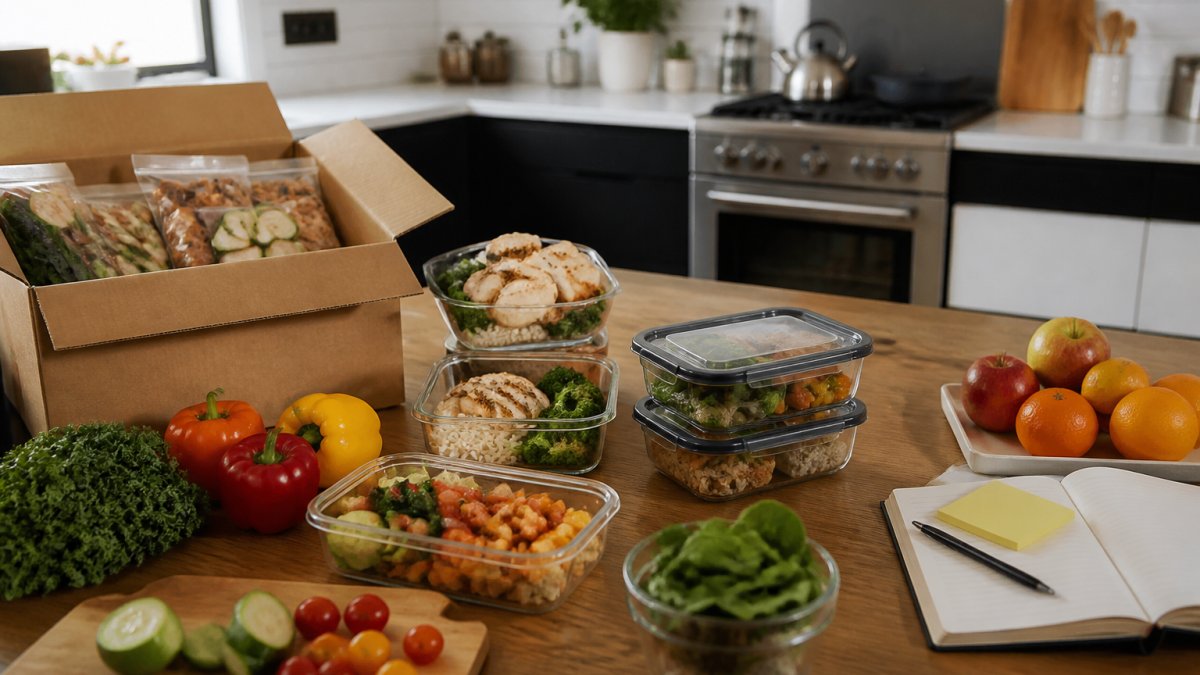
- Batch-prep the snacks that keep well, like hard-boiled eggs and portioned nuts
The AI-driven recipe search can help you find recipes that match your plan. Progress tracking shows how your choices line up with your targets over time.
Choosing diabetes-friendly snacks comes down to two numbers, not one: glycemic index and glycemic load. Get the portion and the pairing right, and the snack works with your blood sugar instead of against it. MealPrepGenius builds personalized snack plans, generates the matching grocery list, and tracks your progress so the plan holds up week after week.
Frequently Asked Questions
What are some low-glycemic snacks that are good for diabetics?
Snacks with a low glycemic index and a small portion size work best: a handful of almonds (about 28 g), half an apple with a tablespoon of peanut butter, carrot sticks with two tablespoons of hummus, or a small bowl of plain Greek yogurt with berries. Each combines fiber, protein, or healthy fats, which slows how quickly glucose enters the bloodstream. Check portions against the GI value, because even low-GI foods add up when you eat several servings.
Is popcorn a good snack for people with diabetes?
Plain air-popped popcorn has a moderate glycemic index and about 4 g of fiber per 3-cup serving, so it can fit when you keep the portion small and skip butter and sugary coatings. Bagged options vary widely: check the label for added sugar and sodium, and measure out one serving instead of eating from the bag. Pairing popcorn with nuts or cheese adds protein and fat, which softens the blood sugar response.
Can people with diabetes eat fruit as a snack?
Yes. Berries, apples, pears, and citrus have lower glycemic index values than watermelon or ripe bananas, and their fiber slows absorption. Keep a serving to about 15 g of carbohydrates, roughly one small apple or a cup of berries, and pair it with protein such as Greek yogurt, cottage cheese, or a few almonds. Test your blood glucose after eating to see how your own body responds to each fruit.
What are good late-night snacks for diabetics?
Choose something small and protein-forward so it does not disrupt overnight glucose: a few whole-grain crackers with cheese, half a cup of cottage cheese, a boiled egg, or a tablespoon of nut butter on celery. If you take insulin or a medication that can cause hypoglycemia, keep a fast-acting carb within reach and follow your care team's guidance for overnight lows. Log what you eat and your morning reading to spot patterns over a week.