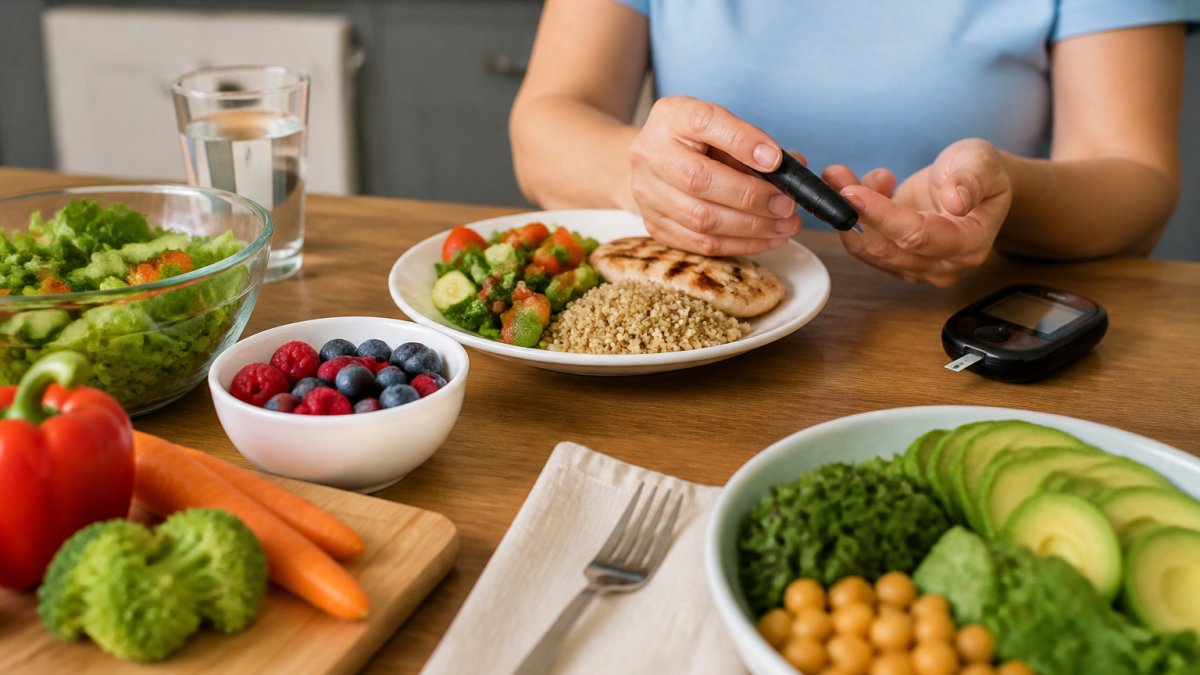
 how-to
Meal Plan for a Diabetic Diet: 7-Day Guide
Table of Contents
- Why a Structured Meal Plan for a Diabetic Diet Works
- Diabetes Plate Method Guide: The Simple Visual Framework
- How to Calculate Carbs for Diabetes Without Losing Your Mind
- Your 7-Day Diabetic Meal Plan (With Budget Swaps)
- Diabetic Meal Prep Recipes and Batch-Cooking for Busy Weeks
- Cultural Food Adaptations: Building a Plan That Fits Your Table
- Meal Consistency, Snack Planning, and Your Relationship With Food
- Conclusion: Start With One Week
- Frequently Asked Questions
Last Updated: September 27, 2026
Why a Structured Meal Plan for a Diabetic Diet Works
A meal plan for a diabetic diet works because it removes guesswork from daily eating. Instead of deciding what to eat when hunger hits, you follow a set pattern that keeps carbohydrate intake steady and blood sugar levels predictable.
Diabetes Plate Method Guide: The Simple Visual Framework
The Diabetes Plate Method is a portion-control tool that needs no scale and no app. You divide your plate into three parts: half non-starchy vegetables, one quarter lean protein, and one quarter carbohydrate foods.
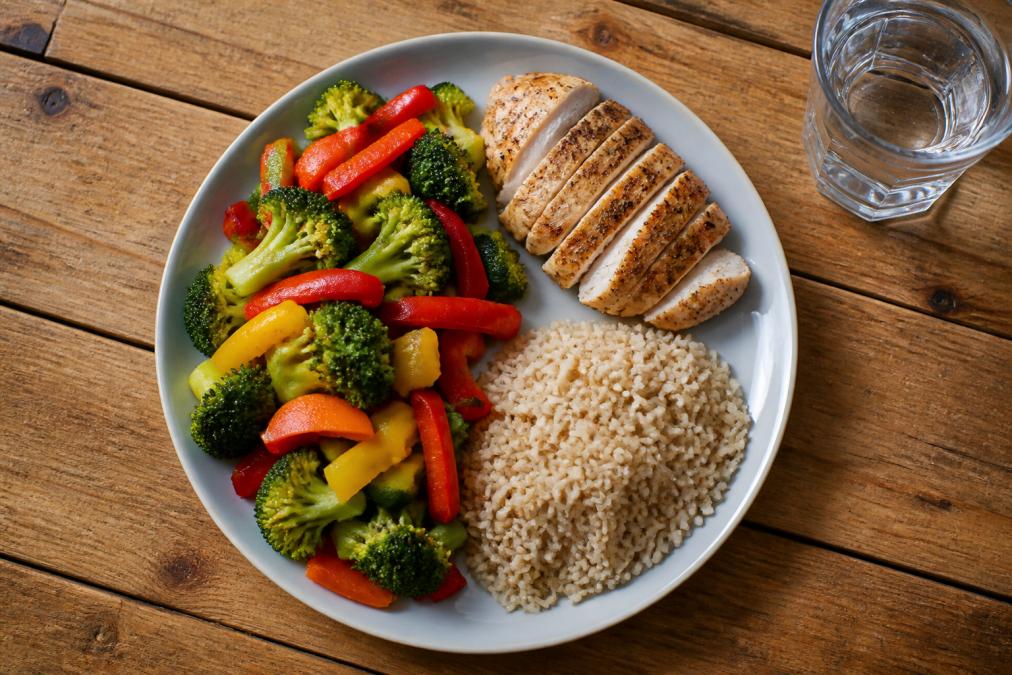
Non-Starchy Vegetables vs. Starchy Vegetables
Non-starchy vegetables fill half your plate and add fiber with very little impact on blood sugar. Starchy vegetables count as your carb portion, not your vegetable portion.
- Non-starchy (fill half the plate): broccoli, spinach, peppers, cucumbers, tomatoes, cauliflower, green beans, zucchini, lettuce, cabbage
- Starchy (count as carbs): potatoes, corn, peas, sweet potatoes, winter squash, parsnips
Protein and Healthy Fats on the Plate
Protein takes up roughly a quarter of the plate. Good choices include chicken, fish, eggs, tofu, beans, and lean cuts of beef or pork.
How to Calculate Carbs for Diabetes Without Losing Your Mind
Carb counting is the practice of tracking the grams of carbohydrate in each meal so you can match them to your medication, insulin, or activity level. It sounds clinical, but the basic version is learnable in an afternoon.
Start with these steps:
- Learn your per-meal target. Ask your care team what carb range fits your treatment plan. A common starting range is 45-60 grams per meal and 15-20 grams per snack, but yours depends on your medication, weight, and activity.
- Read food labels. Check the total carbohydrate line, not just sugars. Total carbs include fiber and sugar alcohols, which is why the "sugars" line alone undercounts.
- Learn the 15-gram exchange. Most carb portions cluster around 15 grams. Memorize a handful and you can estimate almost any meal:
- 1 slice of bread
- 1/3 cup cooked rice or pasta
- 1 small potato or 1/2 cup mashed
- 1/2 cup cooked beans or lentils
- 1 small piece of fruit (about the size of a tennis ball)
- 1 cup milk or 6 oz plain yogurt
- Use the plate method as backup. When you cannot count, use the visual split, it lands most meals in a reasonable range without math.
- Track for two weeks. Patterns show up fast, especially around breakfast and evening snacks.
The Math That Actually Matters
Carb counting only pays off when it connects to timing. Two meals with identical carb totals can produce different glucose curves depending on what else is on the plate and when you eat them.
- Fiber and fat slow absorption. A 45-gram meal of white rice hits faster than 45 grams of beans and vegetables. Same number, different curve.
- Pair carbs with protein or fat. Adding eggs to toast, or olive oil to a potato, blunts the post-meal spike without changing the carb count.
- Match to medication timing. If you take mealtime insulin, your carb count drives your dose. If you take fixed doses or oral medication, your carb count drives when you eat, not how much you inject.
- Watch the "hidden" carbs. Milk in coffee, sauces, dressings, and fruit juice add up faster than most people expect.
Your 7-Day Diabetic Meal Plan (With Budget Swaps)
A 7-day diabetic meal plan is a repeating weekly template built around the plate method, not a rigid menu. You set breakfast, lunch, dinner, and one or two snacks, then rotate the same structure each week.
Sample Day-by-Day Outline
| Day | Breakfast | Lunch | Dinner | Snack |
|---|---|---|---|---|
| Mon | Eggs, whole-grain toast, spinach | Chicken salad, olive oil | Baked salmon, broccoli, brown rice | Greek yogurt, almonds |
| Tue | Oatmeal, peanut butter, berries | Lentil soup, side salad | Turkey chili, peppers | Apple, cheese |
| Wed | Greek yogurt, walnuts, berries | Tuna wrap, cucumber | Grilled chicken, roasted zucchini, quinoa | Carrots, hummus |
| Thu | Veggie omelet, avocado | Leftover chili | Baked cod, green beans, sweet potato | Cottage cheese, tomato |
| Fri | Whole-grain toast, eggs | Chicken and veggie bowl | Tofu stir-fry, cauliflower rice | Nuts, pear |
| Sat | Oatmeal, chia, berries | Turkey lettuce wraps | Shrimp, asparagus, barley | Yogurt, seeds |
| Sun | Eggs, sautéed greens | Bean salad, olive oil | Roast chicken, Brussels sprouts, potatoes | Popcorn, cheese |
Budget-Friendly Shopping List
Eating well with diabetes does not require specialty products. The cheapest items in the store are often the best ones.
- Produce: frozen broccoli, spinach, peppers, carrots, onions, cabbage
- Protein: eggs, canned tuna, dried or canned beans, chicken thighs, tofu
- Grains: oats, brown rice, barley, whole-grain bread
- Fats: olive oil, peanut butter, store-brand nuts
- Dairy: plain yogurt, cottage cheese, block cheese
Diabetic Meal Prep Recipes and Batch-Cooking for Busy Weeks
Diabetic meal prep recipes are built on a simple ratio: one protein, one non-starchy vegetable, one measured carb, and a small fat. Cook them in batches, portion them out, and you have five lunches in under two hours.
The workhorse recipes are forgiving and cheap:
- Sheet-pan chicken and vegetables: chicken thighs, broccoli, peppers, olive oil, 25 minutes
- Turkey chili: ground turkey, beans, tomatoes, onions, freezes well
- Egg muffins: eggs, spinach, peppers, baked in a tin, grab-and-go breakfast
- Grain bowls: cooked barley or brown rice, roasted veg, protein of choice
- Lentil soup: dried lentils, carrots, celery, low-sodium broth
Cultural Food Adaptations: Building a Plan That Fits Your Table
Cultural food adaptations mean keeping the dishes you actually eat and adjusting the portions, not replacing your table with someone else's. A plan that ignores your food culture gets abandoned by week three.
- Rice-based meals: keep the rice, shrink it to a quarter of the plate, and double the vegetables and protein
- Flatbread and curry: swap half the flatbread for a salad or raita, keep the curry
- Pasta dishes: use a smaller bowl, add a side salad, and add chicken, fish, or beans
- Stews and soups: bulk them with extra vegetables instead of extra potatoes
Meal Consistency, Snack Planning, and Your Relationship With Food
Meal consistency means eating at roughly the same times each day with similar carbohydrate amounts. It is one of the most reliable habits for steady blood glucose, and one of the least discussed.
- Pair a carb with a protein or fat. Apple with peanut butter, carrots with hummus, yogurt with nuts.
- Keep them small. Most snack targets land around 15-20 grams of carbs.
- Pre-portion at home. A bag of almonds in the car becomes a bag of almonds gone by Thursday.
The Part Most Guides Skip: Diet Fatigue
Managing diabetes is a chronic, daily job. That is the piece clinical guides rarely name, and it is the reason many plans collapse in month two, not because the food was wrong, but because the mental load became unsustainable.
A few patterns show up again and again:
- All-or-nothing thinking. One high-carb meal becomes "I've ruined the day," which becomes a high-carb week. A single meal does not define your average.
- Restriction rebound. Cutting entire food groups (rice, bread, fruit) works for a few weeks, then triggers overeating. Portion control beats elimination.
- Food as a scorecard. When every meal feels graded, eating becomes stressful. Stress itself can raise blood glucose, which makes the whole loop worse.
- Decision fatigue. Making 21+ food decisions a week is exhausting. This is exactly why a repeating template beats a fresh menu every day.
Practical habits that help:
- Build in one flexible meal a week, planned in advance so it is a choice, not a slip.
- Track how you feel, not just what you ate. Energy, mood, and sleep are part of the data.
- Aim for balanced nutrition across the week, not each individual day. One higher-carb dinner is noise; a higher-carb week is a pattern.
- Keep hydration steady. Thirst and hunger get confused easily, and mild dehydration can nudge glucose readings.
- Name the hard days out loud. Telling a partner, friend, or care team that a week felt heavy is not a failure of willpower, it is maintenance.
Conclusion: Start With One Week
The hardest part of a diabetic diet is not knowing what to eat. It is repeating that decision 21 times a week without burning out.
Frequently Asked Questions
What is the first thing a diabetic should eat in the morning?
Start with a meal that combines protein, fiber, and complex carbohydrates to slow glucose absorption. A common option is eggs with whole-grain toast and half an avocado, or Greek yogurt with berries and nuts. Avoid starting the day with added sugars or refined carbs alone, since these spike blood sugar quickly. If you take insulin or certain medications, coordinate morning timing with your care team, because meal consistency affects how well your levels stay steady.
Can meal prepping help manage blood glucose levels?
Yes. Prepping meals in advance supports portion control, meal consistency, and carbohydrate intake tracking, all of which help with blood sugar management. When meals are already portioned, you are less likely to grab high-sugar convenience foods. Batch-cooking also makes it easier to include fiber-rich foods, lean protein, and healthy fats in every meal. Many people find that a Sunday prep session paired with a written plan reduces both decision fatigue and postprandial glucose swings during the week.
How do I start a diabetic meal plan if I'm a beginner?
Begin with the plate method: fill half your plate with non-starchy vegetables, one quarter with lean protein, and one quarter with complex carbohydrates. Use this framework for one meal a day for a week before expanding. Track what you eat and how you feel, then add carb counting once the plate habit feels natural. A 7-day diabetic meal plan template and a simple grocery list make the first week easier. Ask your doctor or dietitian to review your plan before making major changes.
What is the best eating schedule for people with diabetes?
Most guidance suggests eating at consistent times each day, roughly every 4 to 5 hours, to keep blood glucose from swinging. Three balanced meals plus one or two planned snacks works for many people, but the right schedule depends on your medications, insulin routine, and daily rhythm. Meal consistency matters more than a perfect clock. If your schedule changes week to week, a flexible meal planning tool can help you adjust portions and timing without starting over.
This article is for general information and is not medical advice. Work with your doctor or a registered dietitian before changing your diet, medication, or insulin plan.