 blog
Is Bulk Cooking Cheaper Than Grocery Shopping?
Table of Contents
- The Real Cost: Bulk Cooking vs. Weekly Grocery Shopping
- How to Meal Prep for Beginners: Cost Breakdown
- Bulk Cooking Cost Savings: Where the Money Actually Goes
- How to Reduce Food Waste With Meal Prep
- The Trade-Offs: When Bulk Cooking Costs More
- Making Bulk Cooking Work for Your Budget
- Frequently Asked Questions
Last Updated: September 29, 2026
The Real Cost: Bulk Cooking vs. Weekly Grocery Shopping
Is bulk cooking cheaper than weekly grocery shopping, and does bulk cooking cheaper actually work for your household? The answer isn't as straightforward as the savings-focused headlines suggest.
The core tension is this: bulk cooking can save money, but only when specific conditions align. Without those conditions, you're actually spending more. Understanding which scenario applies to your situation is what separates real savings from expensive meal prep mistakes.
Bulk cooking involves preparing multiple servings of the same dish in advance, then storing portions for the week or month ahead. Weekly grocery shopping typically means buying ingredients for meals you'll cook fresh throughout the week. The financial comparison depends on your household size, storage capacity, time availability, and how much food waste you currently generate.
How to Meal Prep for Beginners: Cost Breakdown
Starting a meal prep routine requires upfront investment before you see any savings. Most people underestimate this initial cost, which is why their first attempt feels more expensive, not cheaper.
Starting Capital and Equipment Investment
Your first meal prep setup demands capital outlay that weekly grocery shopping doesn't. You need storage containers, freezer space, and possibly upgraded kitchen equipment.
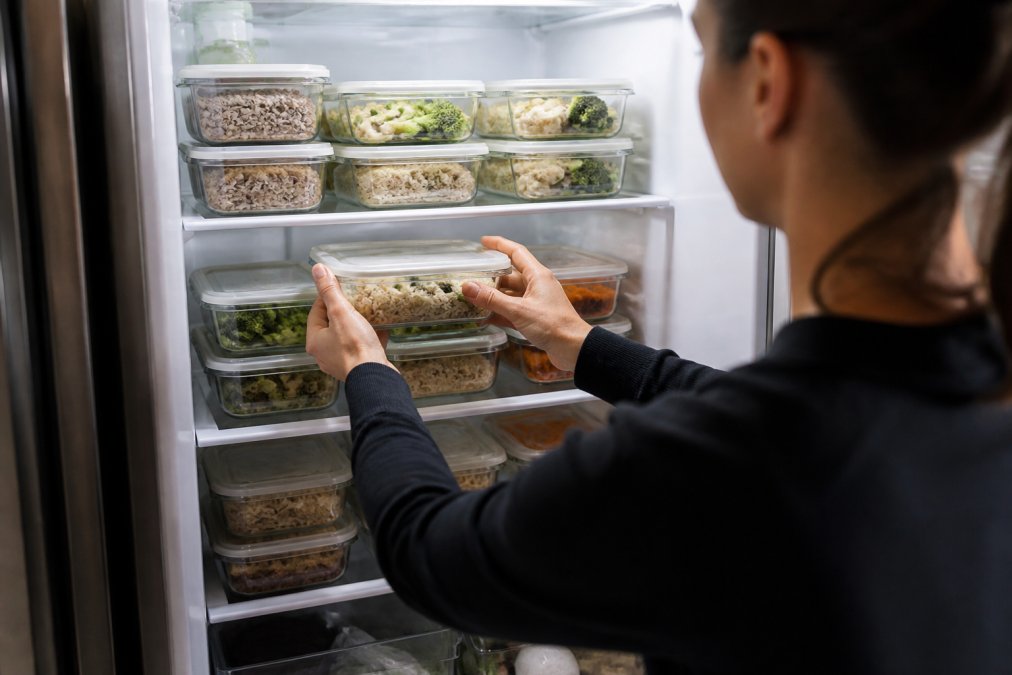
Here's what beginners typically need:
- Storage containers: A set of quality meal prep containers requires a one-time investment for durable plastic or glass options
- Freezer space: You may need a second freezer if your current one is small
- Kitchen tools: Sharp knives, cutting boards, and large pots improve efficiency
- Labels and markers: Small cost, but critical for tracking what's in your freezer
Price Per Serving and Unit Economics
Understanding price per serving is where bulk cooking reveals its actual advantage. When you buy ingredients in bulk, your unit price drops significantly compared to weekly shopping for single servings.
A practical example: buying a 10-pound bag of chicken breast costs less per pound than buying 2 pounds weekly for five weeks. The same logic applies to vegetables, grains, and pantry staples. This economies of scale is the real engine behind bulk cooking savings.
However, this only works if you actually use what you buy. A bulk purchase that spoils in your freezer isn't cost-effective. It's waste.
Calculating true cost per serving requires tracking:
- Ingredient cost divided by number of servings produced
- Storage and energy costs allocated across those servings
- Waste percentage (how much food you actually throw away)
Many people skip this calculation entirely. They assume bulk cooking saves money because the unit price is lower. That's incomplete math.
Bulk Cooking Cost Savings: Where the Money Actually Goes
Real savings from bulk cooking appear in specific areas. Knowing where to expect savings helps you identify whether this approach will work for your situation.
Economies of Scale and Ingredient Pricing
Buying in larger quantities genuinely reduces your per-unit cost. A 5-pound box of pasta costs less per pound than a 1-pound box. A 10-pound chicken costs less per pound than individual breasts.
The savings compound across your entire grocery budget. When you buy pantry staples in bulk, you're purchasing at wholesale-adjacent pricing. This is where bulk cooking delivers consistent financial advantage.
But there's a catch: bulk purchasing only saves money if your household actually consumes that volume. A family of two can't benefit from bulk buying a 25-pound bag of rice if it takes two years to use it. Staleness, pest damage, and storage degradation eat your savings.
Seasonal produce offers another angle. Buying tomatoes in summer when they're abundant costs far less than buying them in winter. Bulk cooking in seasons when ingredients are cheap, then freezing for later, captures this price volatility advantage.
Time-to-Value Ratio and Hidden Convenience Costs
This is where most analyses miss something important. Weekly grocery shopping has hidden costs that feel invisible because they're time-based, not dollar-based.
Consider what weekly shopping actually requires:
- Planning which meals to cook
- Shopping multiple times per week
- Cooking fresh meals four to six nights weekly
- Cleanup after each cooking session
For working professionals and busy parents, this time investment has real financial value. The psychological value of time matters. A parent who saves five hours per week through bulk cooking might use that time for rest, side income, or family connection. That's worth something.
Convenience services like meal delivery kits or takeout exist precisely because people value time over money. Bulk cooking lets you capture some of that convenience value without paying premium prices. You're not cooking fresh nightly, so you're not paying takeout prices. You're also not spending hours shopping and cooking.
The trade-off: you're spending time on one big cooking session instead of distributed small ones. For some people, that's a better deal. For others, it's worse.
How to Reduce Food Waste With Meal Prep
Food waste is where bulk cooking either succeeds or fails financially. A bulk cooking approach that generates significant food spoilage is actually more expensive than weekly shopping.
Storage Logistics and Spoilage Prevention
Freezing extends the life of prepared meals dramatically. A dish prepared on Sunday and frozen can stay safe for three months. The same dish in your refrigerator lasts three to four days maximum.
But freezing requires proper technique. Meals frozen incorrectly develop freezer burn, off-flavors, and texture degradation. You end up throwing them away anyway, defeating the savings.
Effective storage logistics means:
- Using airtight containers that prevent freezer burn
- Labeling with preparation date and contents
- Organizing your freezer so older meals are used first
- Thawing properly in the refrigerator, not at room temperature
- Knowing which foods freeze well (most do) and which don't (creamy sauces sometimes separate)
The actual cost of food spoilage is higher than most people calculate. A meal that costs five dollars to prepare but gets thrown away is a five-dollar loss. Scale that across a month of wasted meals and your "savings" disappear entirely.
MealPrepGenius helps with batch-prep task management.
The Trade-Offs: When Bulk Cooking Costs More
Bulk cooking isn't universally cheaper. Several situations make it more expensive than weekly shopping.
Household Size and Consumption Patterns
A single person living alone faces different economics than a family of four. A household of one has limited ability to buy bulk effectively. A five-pound bag of chicken is too much. It spoils before you finish it. You're forced to buy smaller quantities at higher per-unit prices, or freeze everything and risk quality degradation.
A family of four consuming regular meals has opposite economics. They finish bulk quantities before spoilage becomes likely. They benefit from economies of scale without waste.
Consumption patterns matter too. A household where everyone eats the same meals benefits enormously from bulk cooking. A household with diverse preferences (vegetarian, gluten-free, different calorie needs) requires more complex meal prep. You're potentially cooking multiple dishes, which reduces the efficiency gains.
Energy Costs and Kitchen Equipment Wear
Running your oven or stovetop for a three-hour cooking session uses significant energy. Your refrigerator and freezer work harder storing more food. These costs are real, though often overlooked.
For a single bulk cooking session monthly, energy costs are negligible. For weekly bulk cooking, they accumulate. A household that cooks fresh meals using efficient methods might actually spend less on energy than one doing bulk cooking.
Equipment wear is similar. A stove used heavily for bulk cooking sessions will need replacement sooner than one used moderately. A freezer running constantly at capacity will fail sooner. These aren't immediate costs, but they're real long-term expenses.
Making Bulk Cooking Work for Your Budget
If bulk cooking fits your situation, here's how to implement it cost-effectively.
Start with a single dish. Prepare one meal in bulk, freeze it, and track actual costs and waste. This experiment teaches you whether bulk cooking works for your household without major investment.
Buy ingredients strategically. Focus on items where bulk purchasing offers clear savings: grains, frozen vegetables, proteins on sale. Skip bulk buying items you rarely use.
Invest in proper storage gradually. Start with containers you already have. Upgrade only when you've confirmed bulk cooking works and you need more capacity.
Track what you prepare and what you use. This is the difference between bulk cooking that saves money and bulk cooking that wastes it. Tools like MealPrepGenius automate tracking.
Set a realistic cooking schedule. Cooking one massive meal monthly is different from cooking one large meal weekly. Weekly bulk cooking generates fresher meals and reduces spoilage risk. Monthly bulk cooking requires better freezing technique and more discipline about using older meals first.
Consider your actual time value.
Frequently Asked Questions
Does cooking in bulk actually save money compared to weekly grocery shopping?
Bulk cooking can reduce cost per portion through economies of scale, lower unit prices, and reduced food waste. However, savings depend on household size, storage capacity, and energy costs. A family of four may save more than a single person. The initial time investment and equipment costs can offset short-term savings, but over time, bulk cooking can become a more cost-effective option than weekly shopping or takeout alternatives.
What are the hidden costs of bulk cooking that people often overlook?
Beyond ingredient costs, bulk cooking involves upfront capital for storage containers, freezer space, and kitchen equipment. Energy costs for batch cooking, water usage, and appliance wear add up. There's also the psychological cost of cooking fatigue and the time investment required for meal planning and preparation. For single-person households, spoilage risk is higher if portions aren't properly portioned or frozen, potentially negating savings.
How does meal prepping reduce food waste and save money?
Meal prep prevents spoilage by using ingredients within their peak freshness window and portioning food immediately after cooking. This eliminates the common grocery waste pattern where produce wilts or proteins expire unused. Bulk cooking also reduces impulse takeout purchases, which are a major hidden cost. By planning meals in advance and using pantry staples strategically, households can reduce food waste, directly lowering their overall grocery bill.
Is bulk cooking cheaper for a single person or small household?
Bulk cooking offers smaller savings for single-person households due to storage limits and higher spoilage risk. A single person may see smaller savings compared to weekly shopping, while families of four or more may see greater savings. However, single-person bulk cooking still beats frequent takeout or convenience services. The key is freezing portions immediately and using a structured meal plan to ensure consistent consumption before expiration.