 Listicle
9 Foods That Prep Ahead Best for Your Week
Last Updated: November 21, 2026
Quick Summary
The best foods to prep ahead are sturdy proteins, firm vegetables, whole grains and legumes, and soups or sauces that improve as flavours settle. Chicken thighs, roasted sweet potato, brown rice and lentils hold their texture for four to five days, while fish and dressed salads do not.
- Chicken thighs stay moist after reheating because their higher fat content protects them.
- Store cooked food within two hours, dividing it into shallow containers no more than 5 cm deep.
- Cooked salmon softens and smells after two or three days, so cook it early or freeze it.
- Cooked chicken keeps 3-4 days in the fridge and 2-3 months in the freezer.
- Dress leafy greens at the last minute or pack dressing separately to avoid wilting.
Table of Contents
- Which Foods Prep Ahead Best for the Week
- Proteins That Hold Up for Five Days
- Simple Meal Prep Recipes for the Week
- Vegetables, Grains and Beans That Keep Their Texture
- Healthy Meal Prep Ideas for Breakfast, Lunch and Dinner
- Foods That Do Not Prep or Store Well
- How to Store Meal-Prepped Food Safely
- Building Your Prep-Day Plan for This Week
- Frequently Asked Questions
Most weekly meal prep fails on day three, when the chicken is dry, the rice has turned gummy and the salad has wilted. The fix is not more willpower. It is choosing foods that hold their texture and flavour across several days of refrigeration.
Prep ahead means cooking or assembling food in a batch so it can be eaten over the following days without fresh cooking each time. The foods that do this well share three traits: they are cooked thoroughly, they cool quickly and they reheat without falling apart. Start with those three tests and most choices become obvious.
Which Foods Prep Ahead Best for the Week
Not every food is worth cooking on Sunday. The best candidates are sturdy proteins, firm vegetables, whole grains and legumes, and sauces or soups that improve as flavours settle. Foods that are delicate, high in water or prone to oxidising tend to disappoint by midweek.
Quick picks for most weekly prep:
- Proteins: chicken thighs, lean beef mince, eggs, salmon
- Vegetables: roasted sweet potato, broccoli, peppers, carrots
- Grains and legumes: brown rice, quinoa, farro, chickpeas, lentils
- Ready-to-go extras: soups, chilli, overnight oats, sauces
A reliable rule: if a food tastes good cold or at room temperature after cooking, it will usually reheat well on day four.
Proteins That Hold Up for Five Days
Chicken thighs are the most forgiving protein for batch cooking. They contain more fat than breasts, so they stay moist after reheating. Bake them at a high temperature, let them cool fully, then portion them into containers within two hours of cooking.
Lean beef mince works well in chilli, bolognese and stuffed peppers. Drain excess fat after browning, since grease pools in containers and turns the dish greasy. Eggs are useful too: hard-boiled eggs keep for about a week in the fridge, while scrambled eggs do not.
Watch out: Fish is the weakest protein for a five-day prep. Cooked salmon develops a strong smell and softens noticeably after two or three days. If you want fish, cook it on day one or two and freeze the rest.
Here is how the main proteins compare for prep-ahead storage, based on the guidance above.
| Protein | Best for | Key difference |
|---|---|---|
| Chicken thighs | Batch cooking | Fat keeps them moist after reheating |
| Lean beef mince | Chilli, bolognese | Drain fat after browning |
| Eggs | Hard-boiled snacks | Keep about a week in the fridge |
| Salmon | Day one or two | Softens after two or three days |
Simple Meal Prep Recipes for the Week
The most useful weekly prep recipes are not full meals but flexible components that you can mix and match. This approach lets you cook once and eat differently for days. Below are three base recipes that cover most of the week, each with a clear yield and storage note.
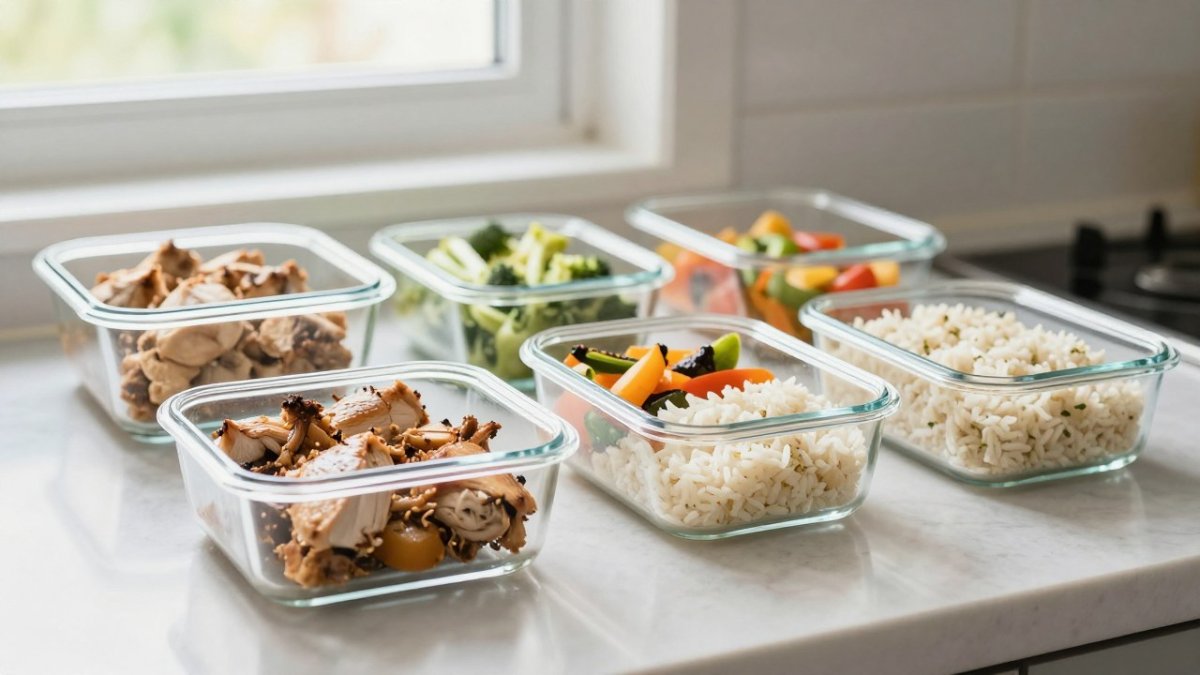
1. Sheet-Pan Chicken and Vegetables
- 1.5 kg chicken thighs (bone-in or boneless), 2 sweet potatoes cut into 2 cm cubes, 2 red peppers quartered, 1 red onion cut into wedges, 3 tbsp olive oil, 1 tsp smoked paprika, salt and pepper.
- Toss everything on two large trays, roast at 220°C (425°F) for 25-30 minutes until chicken reaches 74°C (165°F) internally and vegetables are tender.
- Cool within two hours, then portion into containers. Keeps 4 days in the fridge. Reheat at 74°C (165°F) until steaming.
2. Brown Rice and Lentil Base
- 2 cups brown rice, 1 cup dried green or brown lentils, 4 cups water or low-sodium stock, 1 bay leaf.
- Simmer rice and lentils separately according to package directions (lentils usually 20-25 minutes, rice 35-40 minutes). Spread on a tray to cool quickly, then refrigerate within one hour.
- This base keeps 4 days. Use it as a side or mix with roasted vegetables and a sauce for bowls.
3. Versatile Tomato Sauce with Hidden Vegetables
- 2 tbsp olive oil, 1 onion diced, 2 carrots grated, 2 celery stalks diced, 2 garlic cloves minced, 2 x 400 g cans crushed tomatoes, 1 tsp dried oregano, salt and pepper.
- Sauté onion, carrot, and celery until soft, add garlic, then tomatoes and oregano. Simmer 20 minutes. Cool and portion.
- Keeps 5 days in the fridge or 3 months frozen. Use as a base for pasta, poached eggs, or a quick shakshuka.
Watch out: When scaling recipes, do not overcrowd the pan. Crowding steams vegetables instead of roasting them, and they turn soggy by day two. Use two trays if needed.
These components can be combined into different meals: chicken with rice and sauce on Monday, lentils with roasted vegetables and a lemon-tahini dressing on Tuesday, and a quick soup by simmering leftover vegetables in stock with the tomato sauce on Wednesday. You can browse the full set of weekly prep recipes to see how these components come together. This flexible approach reduces decision fatigue and food waste.
Vegetables, Grains and Beans That Keep Their Texture
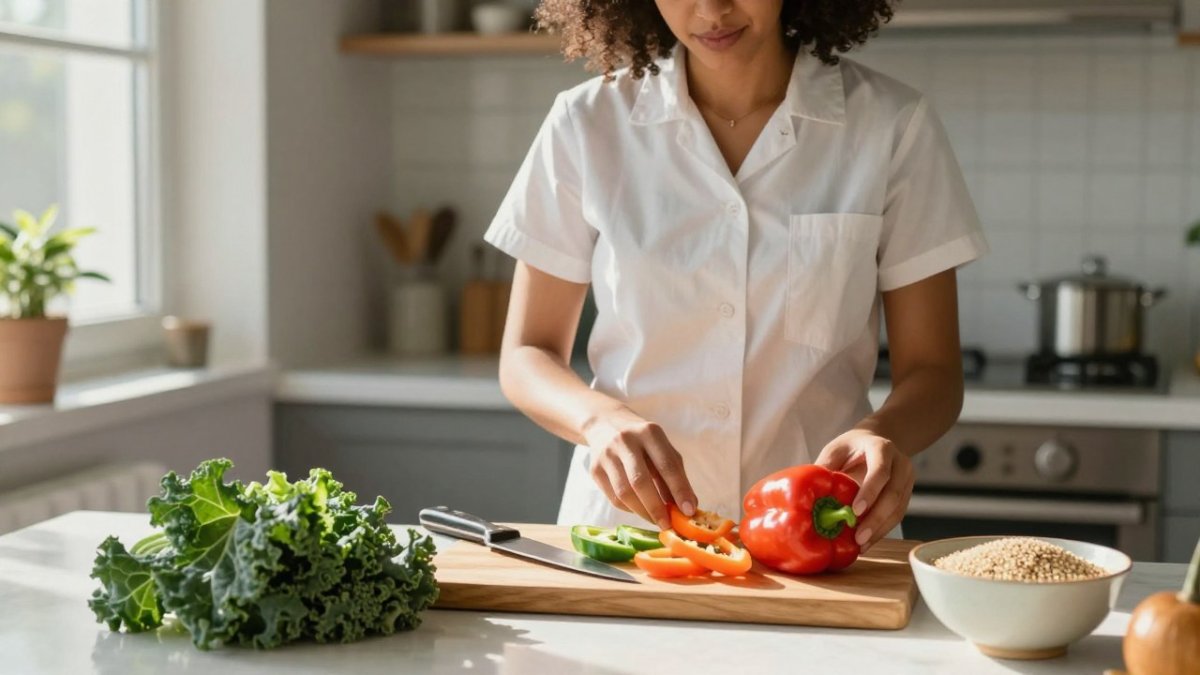
Firm vegetables are the safest choice for prep. Roasted carrots, sweet potato, butternut squash, broccoli and peppers keep their structure for four to five days. Store dressings separately and add them just before eating.
Grains need careful handling. Cook them, spread them on a tray to cool quickly, then refrigerate within an hour. Brown rice, quinoa and farro hold their texture well. Chickpeas and lentils are excellent for lunches and keep reliably when stored in their cooking liquid.
Leafy greens are the exception. Dress them at the last minute or pack them dry with dressing in a separate pot.
Healthy Meal Prep Ideas for Breakfast, Lunch and Dinner
Breakfast prep is often the easiest win. Overnight oats can be made in jars for three to four days. Egg muffins with spinach and peppers reheat in under a minute.
For lunch, grain bowls with a protein, a roasted vegetable and a sauce are the most reliable. Keep the sauce separate until eating. Soups and chilli make good lunches too, and many improve after a day.
Dinners can be the most varied: a batch of chilli, a tray of roasted chicken with vegetables, or a pasta bake portioned into containers. Freezing one or two dinners early in the week gives you a backup if plans change.
Foods That Do Not Prep or Store Well
Some foods lose quality quickly, however carefully you store them:
- Leafy salads with dressing: wilt within hours
- Avocado: browns and turns bitter
- Crispy fried foods: turn soggy
- Cooked fish beyond two days: develops strong odour and soft texture
- Pasta with cream sauce: can separate and turn grainy on reheating
- Soft-cooked eggs: rubbery after reheating
If a dish relies on crispness or freshness, prepare its components separately and assemble them on the day.
How to Store Meal-Prepped Food Safely
Safe storage is the difference between a week of good meals and a bout of food poisoning. The guidelines below follow common food-safety recommendations from public health agencies, but always use your own judgment and a food thermometer.
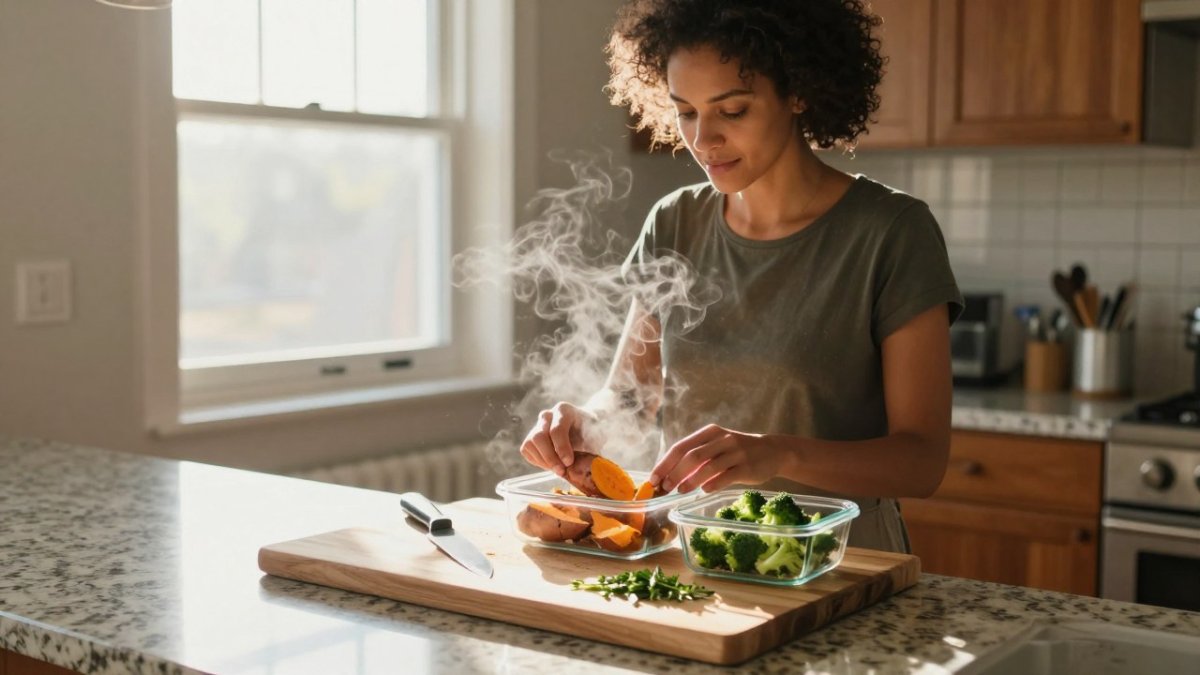
Cooling quickly is critical. Bacteria multiply fastest between 4°C and 60°C (40°F-140°F). Never put a large pot of hot food directly into the fridge; it will cool too slowly and warm the surrounding items. Instead, divide food into shallow containers (no more than 5 cm deep) and leave uncovered until steam stops rising, then cover and refrigerate. Aim to refrigerate within two hours of cooking.
Food-specific fridge and freezer limits:
- Cooked chicken and other poultry: 3-4 days in the fridge; 2-3 months in the freezer.
- Cooked beef, pork, and lamb: 3-4 days; 2-3 months.
- Cooked fish: 2 days; 1 month (quality suffers beyond that).
- Cooked grains (rice, quinoa, farro): 3-4 days; 1 month. Cool rice quickly and refrigerate within one hour to reduce risk of Bacillus cereus.
- Cooked legumes (beans, lentils): 3-4 days; 2 months.
- Soups and stews: 3-4 days; 2-3 months.
- Hard-boiled eggs (in shell): 1 week; not recommended to freeze.
Container choices matter. Use glass or BPA-free plastic containers with tight-fitting lids. Square or rectangular containers save space and stack neatly. For sauces and dressings, use small 120 ml jars or silicone cups to keep them separate from dry components. Avoid storing acidic foods (tomato sauce, citrus dressings) in unlined aluminium or cast iron, which can react and impart a metallic taste.
Reheating safely. Reheat only the portion you will eat. Bring food to 74°C (165°F) throughout, stirring halfway through microwaving to eliminate cold spots. Let food rest for one minute before eating. Never reheat the same portion twice; if you thaw frozen leftovers, reheat once and discard what remains.
Label and rotate. Write the cooking date on each container with a marker or label. Place the oldest items at the front of the fridge and use them first. A simple rule: if you cannot remember when you cooked it, throw it out.
Watch out: The “sniff test” is unreliable for detecting harmful bacteria. Some pathogens, like Listeria, do not change the smell or taste of food. Always follow date limits rather than relying on your senses.
For freezing, remove as much air as possible from containers or use freezer-safe bags to prevent freezer burn. Thaw frozen meals in the fridge overnight, never on the counter.
Building Your Prep-Day Plan for This Week
A realistic prep day takes two to three hours. Work in this order to avoid waiting around:
- Plan the week's meals first. Choose two proteins, two grains and four vegetables, then match them to meals.
- Shop from a single list. Group ingredients by store section to save time.
- Start the oven and the largest pot first. Roast proteins and vegetables while grains cook.
- Cook sauces and soups during downtime. Use the time while other items roast.
- Cool and portion within two hours. Divide food into containers and label them.
- Store the prepped meals in the fridge or freezer. Place the earliest-eaten meals at the front.
If your schedule changes week to week, MealPrepGenius offers personalised meal plans, automated grocery list generation and batch-prep task management that can help you organise your week. For current pricing or a quote, visit our website.
Frequently Asked Questions
What can I meal prep a week in advance?
Foods that hold their texture and flavour well include cooked chicken thighs, hard-boiled eggs, roasted vegetables such as sweet potato and broccoli, cooked grains like brown rice and quinoa, and soups or chili. Dressings, fresh herbs and delicate greens are better added on the day you eat. Cook proteins and grains fully, cool them quickly, and store them in airtight containers so they stay safe and pleasant to eat through the week.
What can I meal prep that will last 5 days?
Most cooked meals keep well in the fridge for three to four days, and many last up to five when cooled and stored properly. Stews, bean-based dishes, roasted vegetables and cooked chicken generally hold up for five days. Foods with high water content, such as cucumber or cooked leafy greens, lose quality faster. For days four and five, consider freezing one portion and moving it to the fridge the night before.
Can I freeze meals that I prep ahead?
Yes. Soups, stews, chili, casseroles, cooked grains and most cooked proteins freeze well for one to three months. Portion meals before freezing so you can thaw only what you need. Leave headspace in containers for liquids to expand, label each container with the date, and thaw in the fridge overnight rather than on the counter. Dairy-heavy sauces and fried foods can separate or go soggy after freezing.
How should I store meal-prepped food safely?
Cool cooked food within two hours, then refrigerate it at 4 degrees Celsius or below in shallow, airtight containers. Keep meals you will not eat within five days in the freezer. When reheating, bring food to a steaming hot 74 degrees Celsius throughout and reheat only once. Discard any prepped meal that has an off smell, visible mould or has been left at room temperature for more than two hours.