 Listicle
Is Batch Cooking Worth the Time? A 2026 ROI Guide
Table of Contents
- The Real Time Investment: What Batch Cooking Actually Takes
- Batch Cooking for Beginners: Getting Started Without Overwhelm
- How Long Does Batch Cooking Take vs. Daily Cooking?
- Financial ROI: Savings on Grocery Budget and Food Waste
- Best Foods for Batch Cooking and Storage Success
- Common Mistakes That Waste Your Time and Money
- Is Batch Cooking Right for Your Schedule and Goals?
- Frequently Asked Questions
Last Updated: October 5, 2026
The Real Time Investment: What Batch Cooking Actually Takes
Is batch cooking worth the time? The honest answer depends on your schedule, kitchen setup, and what you're trying to solve. Before you commit a Sunday afternoon to cooking, you need to understand exactly what you're signing up for.
Batch cooking isn't a quick fix. It's a deliberate trade: you compress your cooking into one or two focused sessions, then spend the rest of the week reheating and assembling meals. Some households save 10+ hours weekly. Others find the upfront investment doesn't justify the payoff. The difference comes down to execution, realistic expectations, and whether the method actually fits your life.
MealPrepGenius helps users build a system that works for their kitchen, family, and dietary needs.
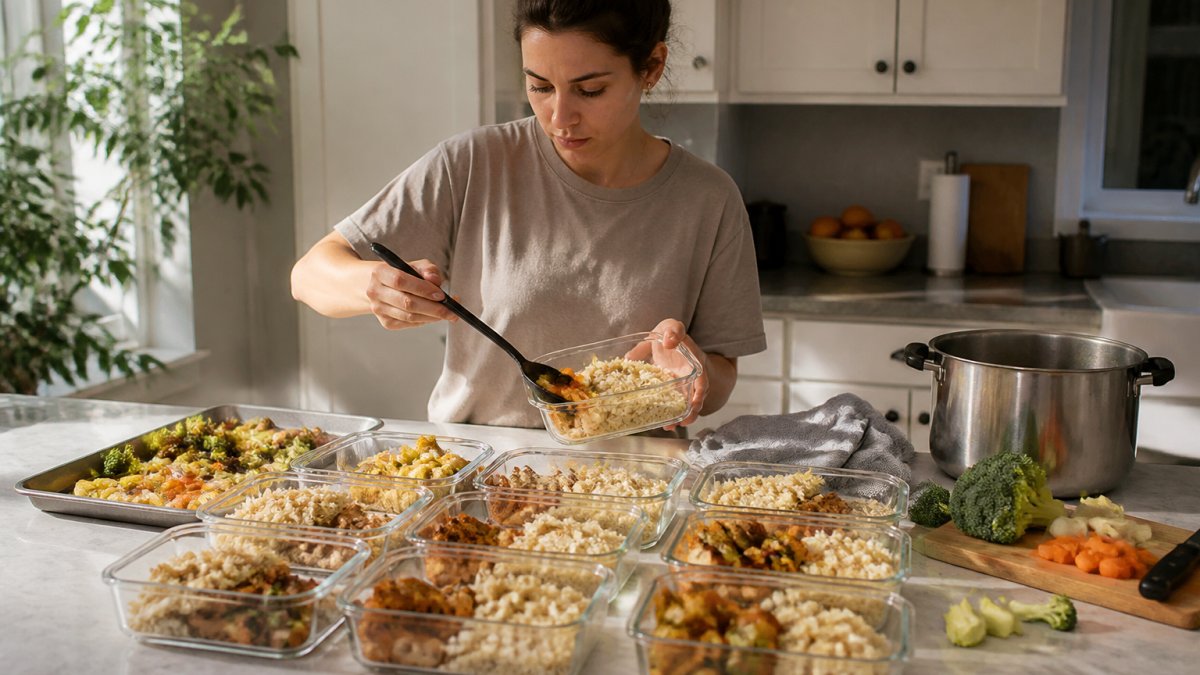
A typical batch cooking session takes 3-5 hours for one person preparing a week's worth of meals. This includes planning, shopping, prep work, cooking multiple dishes simultaneously, portioning, and cleanup. That's a significant chunk of time. But here's what most guides miss: the time isn't distributed evenly.
The real question isn't whether batch cooking takes time. It does. The question is whether it saves time overall when you factor in the daily cooking, decision-making, and cleanup you eliminate during the week.
Batch Cooking for Beginners: Getting Started Without Overwhelm
If you're new to batch cooking, the biggest mistake is treating it like restaurant prep. You don't need commercial equipment, a culinary degree, or a perfectly organized kitchen.
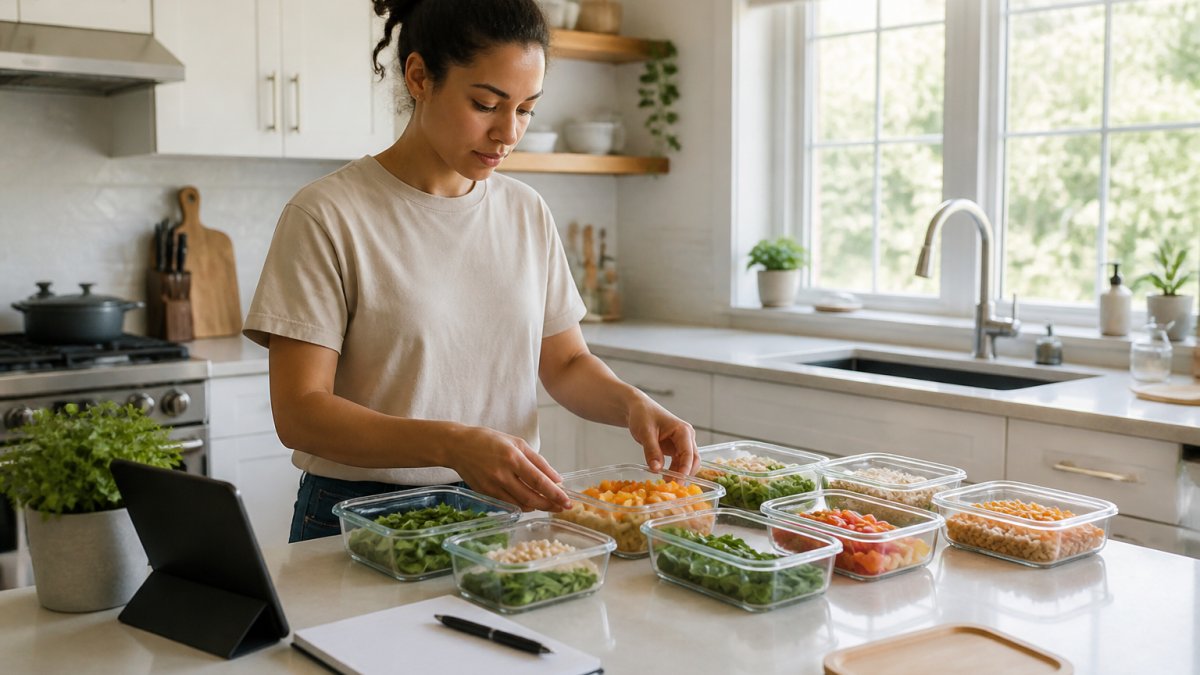
Start small. Choose 2-3 simple recipes: a grain-based dish (rice and roasted vegetables), a protein-focused meal (chicken and potatoes), and a flexible base (ground turkey for tacos, pasta, or grain bowls). These three recipes create variety without overwhelming your cooking session.
Your equipment needs are minimal: a large cutting board, two large pots or a pot and a sheet pan, storage containers (glass or plastic), and labels. Many beginners overthink this step.
The first batch cooking session will feel inefficient. You'll move slowly between tasks, question your ingredient choices, and wonder why you're doing this. This is normal. By session three or four, you'll develop a rhythm.
Common beginner mistakes include cooking everything at once (which creates bottlenecks at the oven and stovetop), choosing recipes that don't reheat well (anything fried or delicate), and preparing far more than you'll actually eat.
How Long Does Batch Cooking Take vs. Daily Cooking?
The time comparison gets interesting when you do the actual math. Daily cooking, even simple meals, accumulates fast. A 30-minute dinner doesn't account for deciding what to cook, gathering ingredients, washing dishes, or the mental energy of planning.
Batch cooking consolidates this into one focused session. You're not cooking every night, but you're cooking longer on one day. The real savings come from elimination: no daily decision-making, no nightly cleanup, no repeated trips to the grocery store.
For a family of four, daily cooking typically requires 45-60 minutes per day (including planning, prep, cooking, and cleanup). Over a week, that's 315-420 minutes. A single 4-hour batch cooking session plus 10-15 minutes daily for reheating and assembly totals 70-90 minutes for the week. The math suggests batch cooking saves 225-330 minutes weekly, that's 3.5-5+ hours.
However, this assumes you're actually cooking daily. If you're already using convenience foods, takeout, or simple meals that take 20 minutes, batch cooking might not save time, it might just shift when you spend it.
The time savings are real, but they're not automatic. They depend on:
- Choosing recipes that reheat well
- Having adequate storage and refrigerator space
- Sticking to your plan instead of cooking extra meals mid-week
- Not overcomplicating your recipes
Financial ROI: Savings on Grocery Budget and Food Waste
The financial case for batch cooking is stronger than the time case. Bulk buying, reduced food waste, and fewer impulse purchases create measurable savings.
Batch cooking reduces food waste significantly. When you plan specific recipes and buy only what you need, less spoils.
Bulk buying saves money. Buying chicken in larger quantities costs less per pound than purchasing individual breasts. Buying rice and dried beans in bulk is cheaper than pre-packaged portions.
The financial benefit also comes from reduced decision fatigue and impulse spending. When meals are already prepared, you're less likely to order takeout on a tired evening.
Many households report that batch cooking reduces their grocery budget by 15-30%, depending on their starting point. If your family spends a typical amount on groceries, even a 15% reduction is significant. The savings compound over months and years.
However, the initial investment might be higher. Bulk ingredients cost more upfront than smaller quantities. If you're buying new storage containers or replacing kitchen equipment, those are one-time costs that offset short-term savings.
The ROI calculation depends on your baseline. If you're currently ordering takeout 3-4 times weekly, batch cooking will save money fast. If you're already cooking efficiently and rarely waste food, the financial benefit is smaller.
Best Foods for Batch Cooking and Storage Success
Not all foods batch cook equally. Some dishes improve over several days as flavors meld. Others deteriorate, textures get soggy, proteins dry out, or fresh elements become limp.
Foods that batch cook well include:
- Grains (rice, quinoa, farro, pasta)
- Roasted vegetables (broccoli, Brussels sprouts, carrots, sweet potatoes)
- Braised proteins (chicken thighs, ground turkey, beef stew meat)
- Legumes (beans, lentils)
- Soups and stews
- Curries and grain bowls
- Casseroles and baked pasta dishes
These foods stay moist, flavors actually improve as they sit, and reheating doesn't significantly degrade quality.
Foods that don't batch cook well include:
- Fried foods (they get soggy)
- Delicate fish (it dries out)
- Crispy items (they lose texture)
- Fresh salads (they wilt)
- Foods with fresh herbs that lose potency when stored
Storage duration matters. Most cooked foods stay safe in the refrigerator for 3-4 days. Freezing extends this to 2-3 months, but freezing changes texture for some foods. Soups, stews, and braised dishes freeze beautifully. Roasted vegetables can get mushy when thawed. Grains freeze well but can become dry.
The practical approach is to batch cook a mix: some meals for the refrigerator (eat within 3-4 days), some for the freezer (eat later in the month). This requires planning, but it prevents boredom and gives you flexibility.
MealPrepGenius helps here by providing batch-prep task management. This removes the guesswork and prevents the common mistake of batch cooking foods that don't actually store well.
Common Mistakes That Waste Your Time and Money
Most people who abandon batch cooking make predictable mistakes. Recognizing these upfront helps you avoid wasting your first effort.
Cooking too much. The most common error is preparing enough food for two weeks instead of one.
Choosing recipes that don't reheat. Frying, sautéing delicate proteins, or cooking anything that relies on crispness creates meals that taste worse after storage.
Not accounting for freezer space. If you don't have room to freeze half your batch, you'll be forced to eat everything fresh or throw food away. Assess your freezer capacity before planning.
Skipping the labeling step. Unlabeled containers in your freezer become mystery meals. You'll either avoid them or waste time trying to remember what's inside. Label everything with the dish name and the date.
Overcomplicating recipes. Your first batch cooking session shouldn't include a 15-ingredient curry, homemade sauce, and three vegetables. Simple recipes build confidence and save time. Add complexity once you understand your workflow.
Not accounting for prep time. Many batch cooking guides list cooking time but ignore prep time. Chopping vegetables, measuring ingredients, and organizing your workspace takes longer than you expect.
Cooking without a plan. Walking into your kitchen without a clear recipe list, ingredient inventory, and timeline leads to inefficiency.
Is Batch Cooking Right for Your Schedule and Goals?
The answer depends on your specific situation. Batch cooking is worth the time if:
- You cook dinner at least 4 nights weekly
- You have 3-5 hours available once or twice weekly for cooking
- You eat similar foods without getting bored quickly
- You have adequate refrigerator and freezer space
- You want to reduce decision fatigue around meals
- You're motivated by financial savings or health goals
Batch cooking is probably not worth the time if:
- You eat out most nights or rely on convenience foods
- Your schedule is too unpredictable to commit to a week's plan
- You have very limited storage space
- You need high meal variety
- You enjoy the daily ritual of cooking
- Your dietary needs change frequently
The psychological barrier is real. Many people feel like batch cooking is "too much work" before they try it. Once they experience a week without daily cooking stress, they're often converted. But if you genuinely enjoy cooking as a daily practice, batch cooking removes something you value.
The equipment question matters less than people think. You don't need fancy containers or specialized tools. What you need is realistic expectations and a system you'll actually maintain.
MealPrepGenius addresses the planning and tracking burden, the part that stops most people. Instead of manually planning recipes, cross-referencing ingredients, and building a shopping list, the platform generates personalized meal plans, automated grocery lists, and batch-prep task management. This removes the friction that causes people to abandon batch cooking after a few weeks.
Batch cooking is worth the time if you're willing to invest 3-5 hours weekly in exchange for reduced stress, fewer decisions, and potential financial savings. It's not a magic solution, and it won't work for everyone. But for working professionals, busy parents, and anyone managing multiple dietary needs in one household, the time investment often pays off within the first month.
Frequently Asked Questions
Is batch cooking actually worth the time for busy professionals?
For most busy professionals, yes, but only if you eliminate decision fatigue and food waste. The real payoff isn't just time saved during the week; it's the mental relief of knowing meals are ready. Batch cooking can help working professionals reclaim hours weekly by consolidating cooking. The trade-off: one focused cooking session replaces scattered 30-minute dinners. Tools like MealPrepGenius automate the planning step, which is where most people lose time.
How much money can you actually save with batch cooking?
Savings depend on your starting point. Bulk buying and reducing food waste through portion control and ingredient planning can lead to significant savings. However, the upfront investment in storage containers and bulk purchases requires capital. Most households see positive ROI over time. The real financial win comes from avoiding convenience foods and restaurant meals when prepared meals are already waiting.
What are the biggest downsides to batch cooking?
The main challenges are monotony, storage space, and food safety. Eating the same meals repeatedly causes culinary fatigue, a psychological barrier that leads people to abandon batch cooking. Limited freezer or refrigeration space makes batch cooking impractical for small households or apartments. Food safety requires proper thawing, reheating, and shelf-life awareness; mistakes can cause foodborne illness. Initial setup time to learn storage techniques and plan freezer-friendly meals is also steeper than most expect.
Which foods work best for batch cooking and freezing?
Proteins, grains, and sauces freeze exceptionally well. Chicken, ground meat, and fish maintain quality for 2-3 months when properly stored. Rice, quinoa, and pasta hold texture when frozen in portions. Soups, stews, curries, and chilli improve with freezing as flavours develop. Avoid freezing foods with high water content (leafy greens, most raw vegetables) unless you plan to cook them immediately upon thawing. Baked goods, beans, and legumes are also excellent batch-cooking candidates with minimal quality loss.